Music Monkeys

♪ New: Concerts for little ones ·
See upcoming concerts →

MUSICAL DEVELOPMENT

Learning music

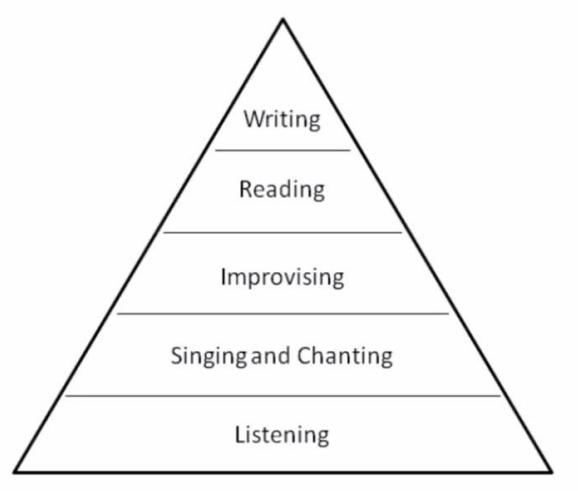
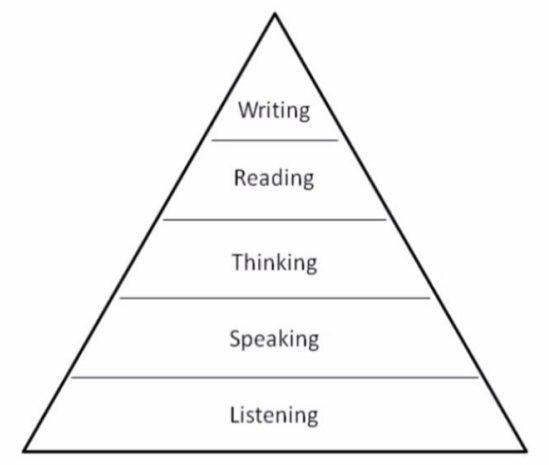
Musical development is surprisingly similar to language development: children first listen and absorb, then begin to make sounds themselves — and only much later learn to read and write music.

listen first, then speak through music

THE SAME PROCESS

Language and music grow from within

A child cannot learn to read without first having heard language.
In the same way, before a child sits down at the piano and learns to read music, they first need to be immersed in a world of musical sounds.

Language development

Musical development

MORE THAN NURSERY RHYMES

A rich musical environment

The greater the variety of music children can absorb at a young age, the richer their musical foundation becomes. Just like language, music needs variety: different scales, rhythms, metres, styles and cultural traditions.

  • ♪ Classical music, jazz and music from around the world
  • ♪ Singing and live music are preferable to recordings
  • ♪ Musical listening can begin as early as pregnancy
  • MAKING MUSIC

    Exploring sound

    For a young child, making music does not mean already being able to play a piece on the piano. It means discovering the sounds that can be made with the voice, the body, an instrument or an everyday object. This is how children learn to recognise differences in sound.

    what sounds the same — and what sounds different?

    THE POWER OF SILENCE

    Silence is part of music too

    You do not need to play music or sing all day. In moments of silence, children process what they have heard, give meaning to it and have space to respond in their own way. Silence is therefore not an absence, but an essential part of musical learning.

    MUSIC IN PRACTICE

    Experience it together in class

    Discover how these principles come to life in our parent-and-child classes.

    Explore our parent-and-child classes
    Bewaren