
Music Monkeys

♪ Free workshops in all the libraries · September until December ·
Check the dates →

PARENT + CHILD · AGES 0–5

Discovering music together

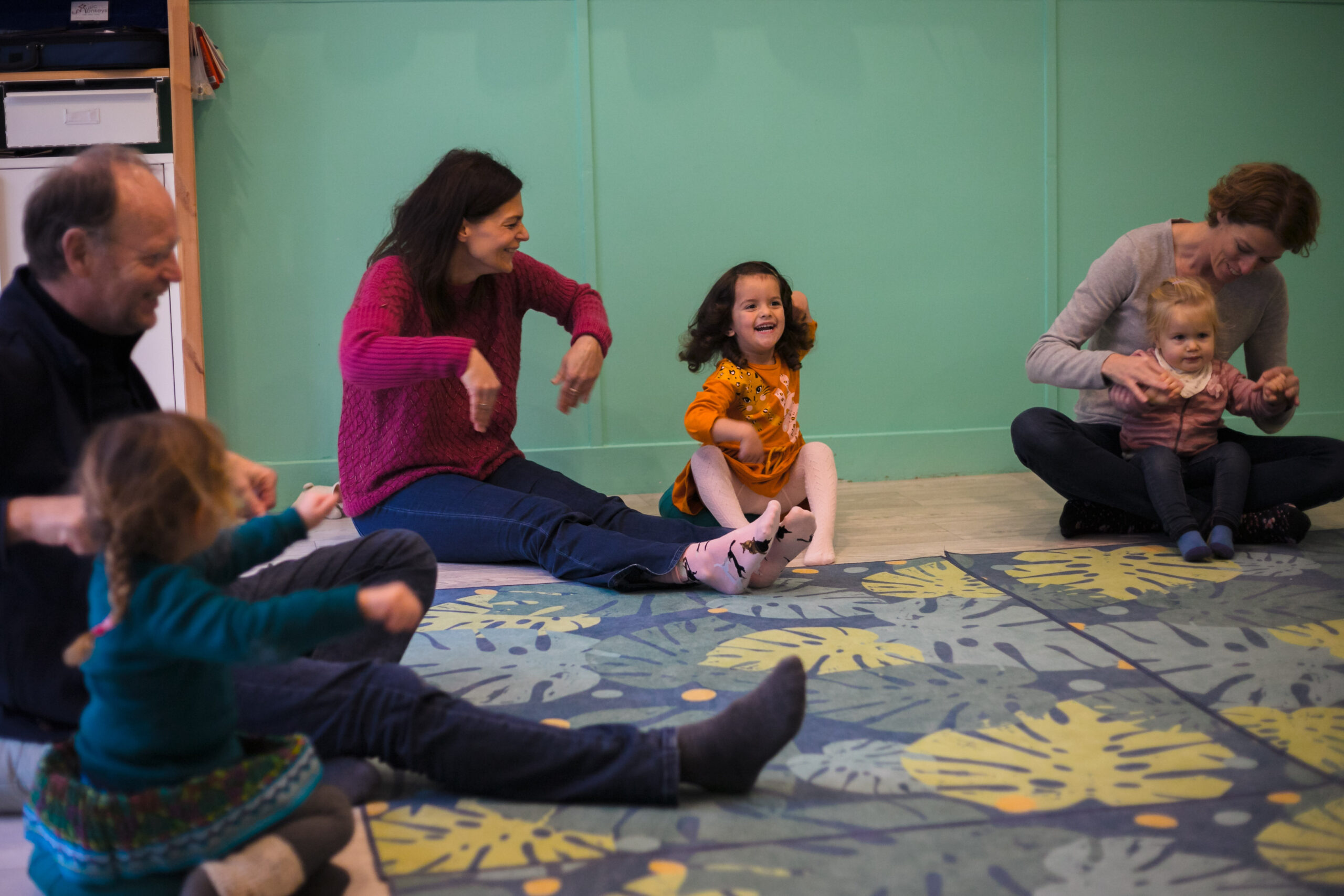
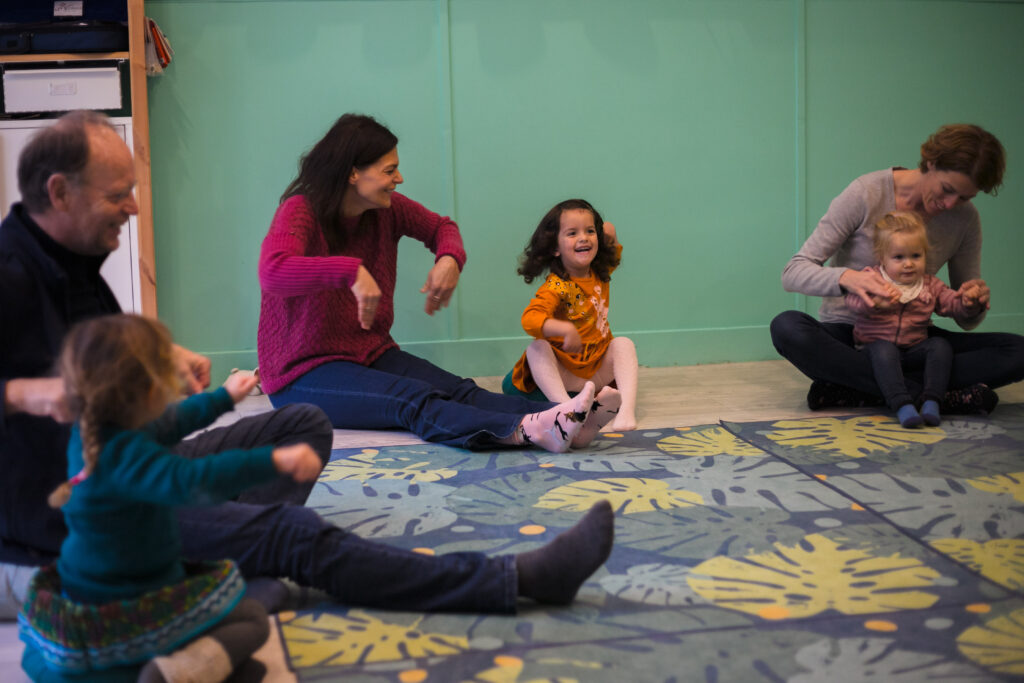
In our parent–child groups, babies, toddlers and preschoolers explore music together with a trusted adult. Groups are organised by age, ensuring that every class matches the children’s developmental stage.
no Dutch needed to join in

SINGING · LISTENING · PLAYING · MOVING

Every aspect of music, from the very first months

Young children learn through play and experience. In our music classes, children play with music together with their parent or caregiver. They experience different styles of music, tonalities, rhythms and sounds, and discover real musical instruments.

We engage the senses and intentionally create space for closeness and the parent–child bond, all within a safe and warm environment.

EVERYONE PARTICIPATES IN THEIR OWN WAY

The role of the child and adult

Your role as a parent or caregiver

You actively join in by singing, moving, playing or tapping the beat. We keep talking to a minimum, allow moments of silence and give children time to process and respond.

Your child’s role

Your child may imitate, observe, move around or follow their own play while continuing to listen. There is no right or wrong way to participate. Sitting still is not necessary.

just listening is participating too

Thoughtfully designed

The Music Monkeys teaching approach combines Gordon’s Music Learning Theory, Muziek op Schoot and Kindermusik with elements of music therapy and speech and language therapy. We offer separate groups for babies, younger toddlers, older toddlers and preschoolers, allowing us to tailor each class to the children’s developmental stage.

Curious to learn why?

On our in-depth page, you can discover how young children learn music and why a rich musical environment is so important.

Learn more about musical development

Singing in Dutch or without words

Listening to and singing music without words allows children to respond intuitively, without first having to process language. Wordless musical impulses give your child the freedom to express themselves musically, and our teachers can respond to this expression through music. This also makes our classes accessible to families who do not speak Dutch. When needed, our teachers give instructions and explanations in English. Songs in Dutch can support language development while introducing children to Dutch songs and cultural traditions.

A rich musical environment

We sing in a wide range of tonalities and metres. We listen to many different styles of music, from classical music to jazz, salsa, folk and world music. We also teach parents and caregivers simple musical patterns to sing, allowing the children to hear several musical layers at the same time.

Movement

We move and dance in many different ways: rhythmically moving and tapping along with the music, dancing while carrying the children and dancing together in a circle. We also use free movement — Continuous Fluid Movement — with both calm music and lively classical pieces. Parents and caregivers model these movements for their children.

THIS IS WHAT A CLASS LOOKS LIKE

Familiar, yet full of surprises

ARRIVAL · 10 minutes before class
CLASS DURATION · 45 minutes
TIME TO CHAT · 10 minutes after class

Classes last 45 minutes. You are welcome to arrive 10 minutes early, when coffee and tea are available. This transition gives children time to settle into the space and become comfortable with the other participants. It also gives parents and caregivers an opportunity to connect with one another. There is time for this after the class as well.Every class begins and ends in the same familiar way. In the baby groups, we use a calm welcome and goodbye song accompanied by an instrument. In the toddler groups, Apie sings these songs to the children. This familiar ritual is something they look forward to every week.By repeating material from previous classes, offering new variations and introducing new musical material, we respond to the needs of young children. The predictable structure gives them a sense of safety, while the variations and new experiences continue to challenge and engage them.